🚚
Use code
FLAT10
to get AED 10 OFF
on orders above AED 250.
🚚
Use code
FLAT10
to get AED 10 OFF
on orders above AED 250.
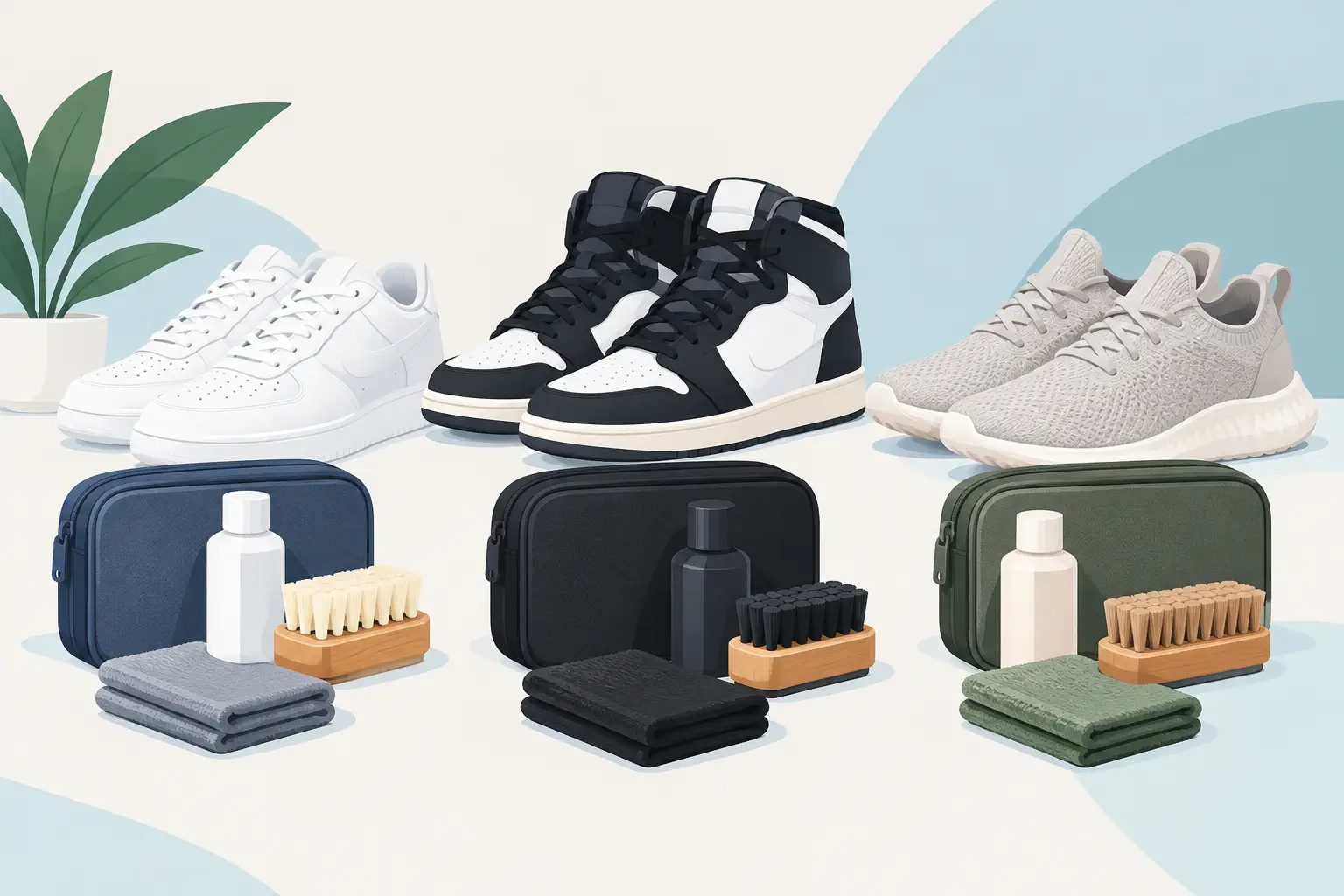
A clean pair changes the whole look. White midsoles look sharper, premium materials hold their color, and your favorite kicks stay ready for the next coffee run, gym session, or night out. The right sneaker cleaning kit makes that result repeatable without reaching for harsh household products that can stain suede, dry leather, or leave residue on mesh.
For sneaker owners, cleaning is not just about removing visible dirt. It is part of protecting the pairs you wear often and preserving the ones you want to keep presentation-ready. A purpose-built kit gives you the control to clean carefully, work around different materials, and avoid turning a small mark into a permanent problem.
A good kit is built around three essentials: a sneaker-safe cleaning solution, the right brush, and a microfiber cloth. That sounds simple, but each piece has a job. The solution lifts dirt without being overly aggressive, the brush reaches textured uppers and rubber edges, and the cloth removes foam and moisture for a clean finish.
For most daily sneakers, a soft-bristle brush is the safest all-around option. It works well on leather, canvas, knit, mesh, rubber, and many synthetic uppers when used with light pressure. A microfiber cloth is especially useful for smooth leather panels, glossy details, and final touch-ups on midsoles.
Some pairs need more than one brush. A medium or firmer brush can help on durable rubber outsoles, while suede and nubuck benefit from a dry suede brush or eraser rather than a wet cleaning session. The trade-off is simple: more tools give you more control, but a compact all-in-one kit is usually enough for regular maintenance on everyday kicks.
Not every sneaker should be cleaned the same way. The safest habit is to identify the upper before adding solution or water. If the pair has mixed materials, clean each panel according to its most delicate section.
Leather is forgiving when you clean it gently and often. Add a small amount of sneaker cleaner to a soft brush or damp microfiber cloth, then work in small circles. Wipe away foam before it dries and let the pair air-dry away from direct heat.
Avoid soaking leather. Too much water can leave the material stiff, affect the finish, or weaken glue around the sole. For white leather, regular light cleaning is better than waiting until dirt becomes embedded around creases and stitching.
Mesh and knit trap dust in tiny fibers, which is why white running shoes can look tired after only a few wears. Use a soft brush with minimal solution and water. Focus on lifting the dirt instead of scrubbing hard into the fabric.
Pat the area with a microfiber cloth as you go. This reduces the risk of water marks and helps the shoe dry faster. If the fabric is heavily stained, repeat a gentle cleaning after the first pass rather than increasing the pressure.
Suede needs a different mindset. Water and liquid cleaner can darken the nap, create rings, and flatten the soft texture that makes the material look premium. Start dry with a dedicated suede brush, moving in one direction to lift surface dust.
For small scuffs, a suede eraser can be more effective than any liquid. If a stain is oily, old, or deeply set, do not attack it with a soaked brush. This is one of those cases where patience matters more than speed. Test any treatment on an inconspicuous area first.
Rubber is where you can be slightly more assertive. Use a brush to clean the traction pattern, sidewalls, toe bumper, and grooves around the outsole. A detailed pass around the edge of the midsole can make a sneaker look dramatically fresher, even if the upper only needs a quick wipe.
Still, do not confuse tougher rubber with indestructible rubber. Avoid abrasive household sponges and harsh cleaners, particularly around painted graphics, colored midsoles, or translucent soles. A sneaker cleaner and brush give you a clean result without stripping the finish.
The best cleaning routine is controlled, not aggressive. Remove loose dust with a dry brush first, then take out the laces so you can reach the tongue, eyelets, and areas that collect grime. Clean the laces separately with a small amount of solution and water, then rinse and air-dry them.
Next, lightly wet your brush instead of pouring cleaner directly onto the shoe. Add a few drops of solution, create foam, and work section by section. Start with the upper, move to the midsole, and finish with the outsole. Wipe away foam as you clean so it does not sit in seams or fabric.
Stuff the shoe loosely with clean paper or a shoe tree after cleaning to help it hold its shape. Then leave it indoors to air-dry. A hair dryer, radiator, or direct Dubai sun may seem like a quick fix, but high heat can warp materials, yellow soles, and loosen adhesives.
Before cleaning a rare pair, a vintage sneaker, or anything with delicate suede, do a spot test in a hidden area. The few extra minutes are worth it when the sneaker is hard to replace.
The biggest mistake is treating every stain like it needs more force. Hard scrubbing can fray mesh, roughen leather, and push dirt deeper into fabric. Use light pressure and make a second pass if needed.
Another common problem is using random household products. Dish soap, laundry detergent, bleach, and multipurpose sprays may look effective at first, but they can leave residue, fade color, or weaken the finish. Bleach is especially risky on white sneakers because it can cause yellowing over time.
Washing machine cleaning is also a gamble. Some canvas or synthetic pairs may survive it, but agitation, excess water, and heat can damage structure and adhesives. Hand cleaning gives you far more control, which matters whether the pair cost a little or a lot.
Finally, do not put clean sneakers back into a dusty pile. Storage is part of sneaker care. Once your pairs are dry, keep them away from direct sunlight, moisture, and clutter that can crease or scuff the uppers.
If you wear a pair several times a week, a quick wipe after wear and a proper clean every few weeks can prevent deep buildup. For occasional pairs, brush off dust before putting them away and inspect them before the next wear. Collector pairs may need less cleaning, but they still benefit from dry, organized storage that keeps their shape and display value intact.
This is where sneaker care becomes part of your setup, not another chore. Keep your cleaner, brush, microfiber cloths, and wipes in one place. A kit near your shoe display or entryway makes it easy to deal with a fresh scuff before it becomes a bigger job.
Sneakkool brings cleaning, travel protection, and clear sneaker organization into one focused setup for UAE sneaker owners. That matters when your rotation includes everything from daily beaters to pairs you want to show off in a crystal-clear display box.
Your sneakers do not need to look factory-new after every wear. They should look cared for, clean, and ready to represent your style. Keep the right kit close, clean with a light hand, and give every pair the kind of finish that makes you want to wear it again.
No account yet?
Create an Account


2 thoughts on “Choose a Sneaker Cleaning Kit for Every Pair”