🚚
Use code
FLAT10
to get AED 10 OFF
on orders above AED 250.
🚚
Use code
FLAT10
to get AED 10 OFF
on orders above AED 250.
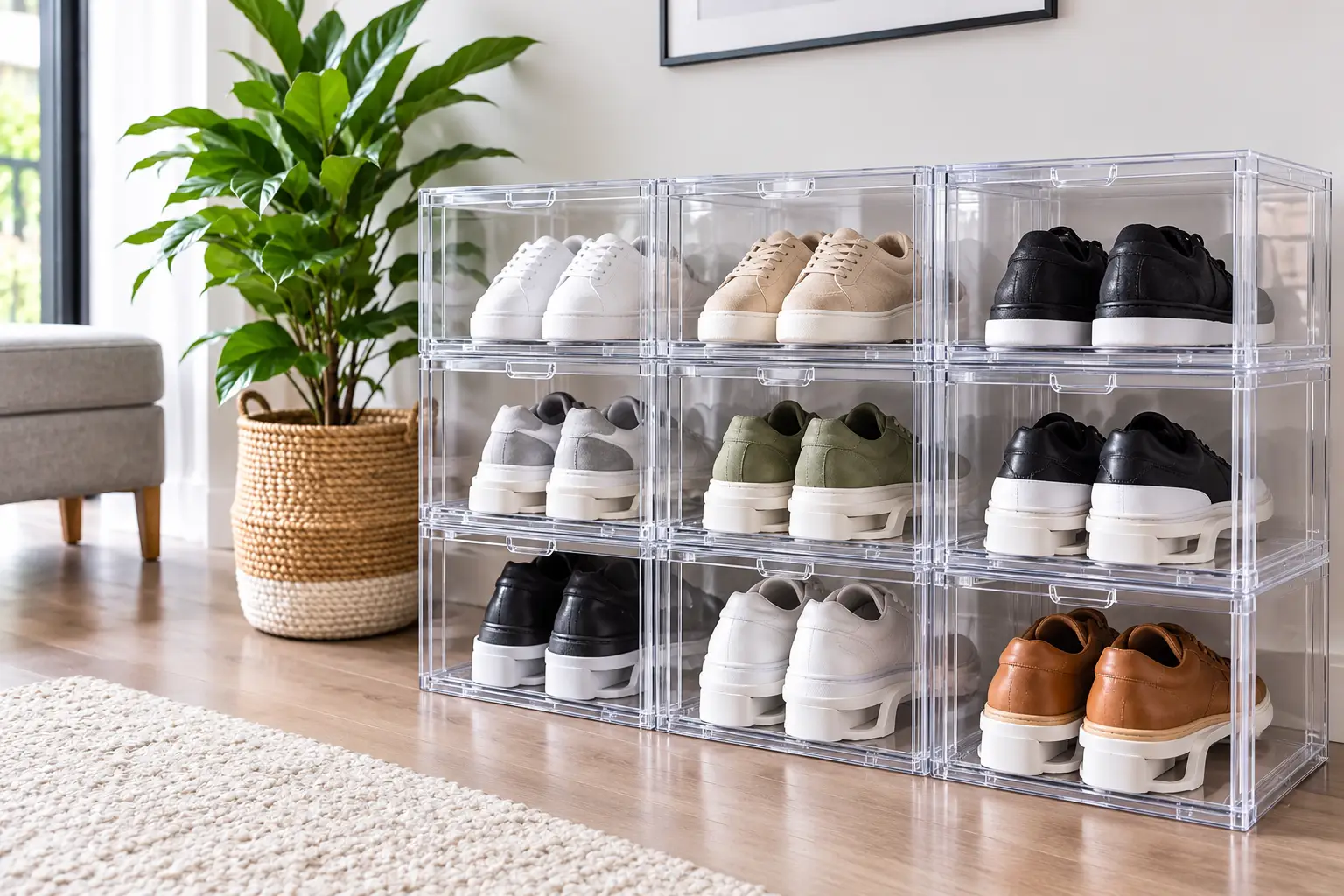
That rare pair should not be living under a pile of everyday runners, collecting dust beside the door. Great shoe organization does more than make a room look cleaner. It keeps your kicks easier to reach, protects materials between wears, and gives every pair the space it deserves.
For a growing sneaker collection, the goal is not to hide everything away. It is to build a setup that works with your routine: grab the pair you wear most, keep prized sneakers visible, and make cleaning part of the reset when you get home. Whether you have six pairs or sixty, the right system makes the sneaker game feel calmer, cleaner, and far more intentional.
Before buying boxes or reorganizing a closet, pull every pair into one place. It is the fastest way to see what you own, what you actually wear, and which shoes need attention. You may find a favorite pair that has been forgotten at the back of a shelf, or realize that three pairs are taking up space even though they no longer fit your style.
Separate your footwear by how often you wear it. Daily sneakers should be the most accessible because they move in and out constantly. Rotation pairs can sit slightly higher or lower, while collectible, seasonal, or special-occasion sneakers deserve the most protected positions. This is not about ranking your shoes by price. It is about matching storage access to real life.
Give any pair that needs cleaning its own temporary spot instead of returning it straight to the collection. Dust, street grime, and moisture transfer easily when shoes are stacked together. A quick wipe-down after wear saves a much bigger cleaning job later and keeps a clean display from becoming a mixed-up storage zone.
One shoe rack cannot solve every storage need. Open racks are convenient for pairs you reach for every day, but they leave shoes exposed to dust and can make a clean room look crowded fast. Closed cabinets hide visual clutter, though poor airflow and tight shelves can be a problem for footwear that has just been worn.
For sneakers you want to protect and show off, clear display boxes are usually the stronger choice. Crystal-clear acrylic boxes let you see every pair without opening multiple containers, keep dust off the uppers, and create a structured wall of color and silhouettes. They work especially well for collectors who see their sneakers as part of the room, not something to bury in a closet.
The trade-off is simple: display boxes need planning. Measure the space before building a stack, and account for larger high-tops, bulky soles, and shoe size. A box that fits a low-profile pair perfectly may feel tight with a padded basketball sneaker. Leave enough clearance to remove shoes comfortably rather than forcing them in and creasing the heel collar.
Fabric bins can still have a role for flip-flops, slides, gym shoes, or less delicate pairs. Use them for categories that do not need visibility. For your better kicks, a structured clear system offers more protection and a much cleaner look.
A common mistake is placing one shoe directly over another to save space. It works for a day, then starts to bend tongues, flatten suede, transfer dirt, and make the pair annoying to retrieve. Store both shoes side by side whenever possible.
If your space is tight, use vertical stacking through boxes rather than stacking sneakers themselves. It creates capacity without putting pressure on the footwear. Keep the toe boxes facing the same direction, and align labels or openings consistently. That small detail makes the whole setup look premium instead of improvised.
The best organization systems have zones. Think of your setup as a simple sneaker home base, with a place for clean pairs, recently worn pairs, supplies, and travel essentials.
Your daily zone should be near the entryway, closet door, or wherever you get dressed. Keep it limited to the pairs in your current rotation. When too many shoes enter this zone, it becomes a clutter pile instead of a convenience station. Swap pairs in and out each week or whenever your style changes.
Your display zone is for sneakers that deserve more care: limited releases, favorite colorways, pristine pairs, or shoes that complete the look of your room. Clear boxes create a gallery effect while protecting the sneakers from household dust. Avoid placing the display in direct sunlight, especially near a bright window. Long exposure can fade fabrics, yellow clear materials, and affect certain leathers and plastics.
Then create a care zone. Keep cleaning wipes, a brush, cleaner, microfiber towels, and protectant together in one dedicated bin or drawer. When your tools are scattered around the house, cleaning feels like a project. When they are ready beside the collection, maintaining your shoes takes minutes. Sneakkool’s sneaker care and organization essentials are designed for exactly this kind of complete setup: clean, protect, store, and display without relying on random household supplies.
Finally, give travel gear a defined place. A sneaker travel bag should not be something you hunt for the night before a flight or weekend trip. Store it folded near luggage, with shoe bags or fresh wipes inside, so your pairs can travel protected and arrive presentation-ready.
No storage solution can preserve sneakers that go away dirty or damp. After a normal day out, remove loose dust and spot-clean visible marks before placing a pair back in its box. For white midsoles and light-colored uppers, this habit makes the biggest visual difference over time.
Let shoes air out before closing them inside a display box or cabinet. This matters in warm climates, after long walks, and after workouts. Storing footwear while it is still damp can create odors and leave materials feeling stale. A little patience protects the pair and keeps the rest of the collection fresher.
For leather, mesh, suede, and mixed-material sneakers, use products and techniques suited to the material. Aggressive scrubbing may remove a stain, but it can also rough up delicate panels or spread discoloration. Start gently, work in small sections, and use a clean microfiber towel to lift residue rather than soaking the shoe.
Shoe trees can help certain sneakers hold their shape, especially pairs with soft leather toe boxes. Choose a lightweight option and avoid forcing it into a snug shoe. For many sneakers, lightly stuffing the toe with clean, acid-free paper is enough to support the shape during storage.
Do not overstuff pairs. The goal is to prevent collapse, not stretch the upper. This is particularly relevant for vintage sneakers, knit uppers, and shoes you plan to keep unworn for long periods.
A storage setup only works if it remains easy on a busy week. Build a five-minute reset into your routine: return clean shoes to their places, move recently worn pairs to the airing spot, and wipe down any noticeable dirt before it settles in. You do not need a full deep clean after every wear.
Once a month, take a quick look at the collection. Check for dust around box vents and shelves, wipe fingerprints from clear panels, and rotate pairs that have not been worn. This is also a good time to make sure shoes are not packed too tightly, especially as your collection grows.
If you share a home or closet, label zones rather than labeling every individual box. A simple daily, display, care, and travel layout is easier for everyone to follow. Individual labels can help with a large collection, but visible boxes often make them unnecessary.
Shoe organization should not feel like punishment for owning too many pairs. Done well, it turns a crowded corner or messy closet into a clean visual statement. The shape of a high-top, the pop of a bold outsole, and the lineup of favorite colorways can add personality to a bedroom, dressing area, or studio.
The key is restraint. Leave a little breathing room around the display, keep the nearby surfaces clear, and avoid mixing loose shoeboxes with a polished clear-box setup. A few intentional rows will always look better than a wall packed with every pair you own.
Start with the shoes you wear and value most, then build outward as the collection grows. When every pair has a place, keeping your kicks fresh stops being another chore and becomes part of the satisfaction of owning them.
No account yet?
Create an Account